/Project Details
Web-Based Eye Tracker Accuracy Finder
A practical browser-based validation system for measuring the accuracy of webcam-based eye-tracking before gaze features are used downstream.
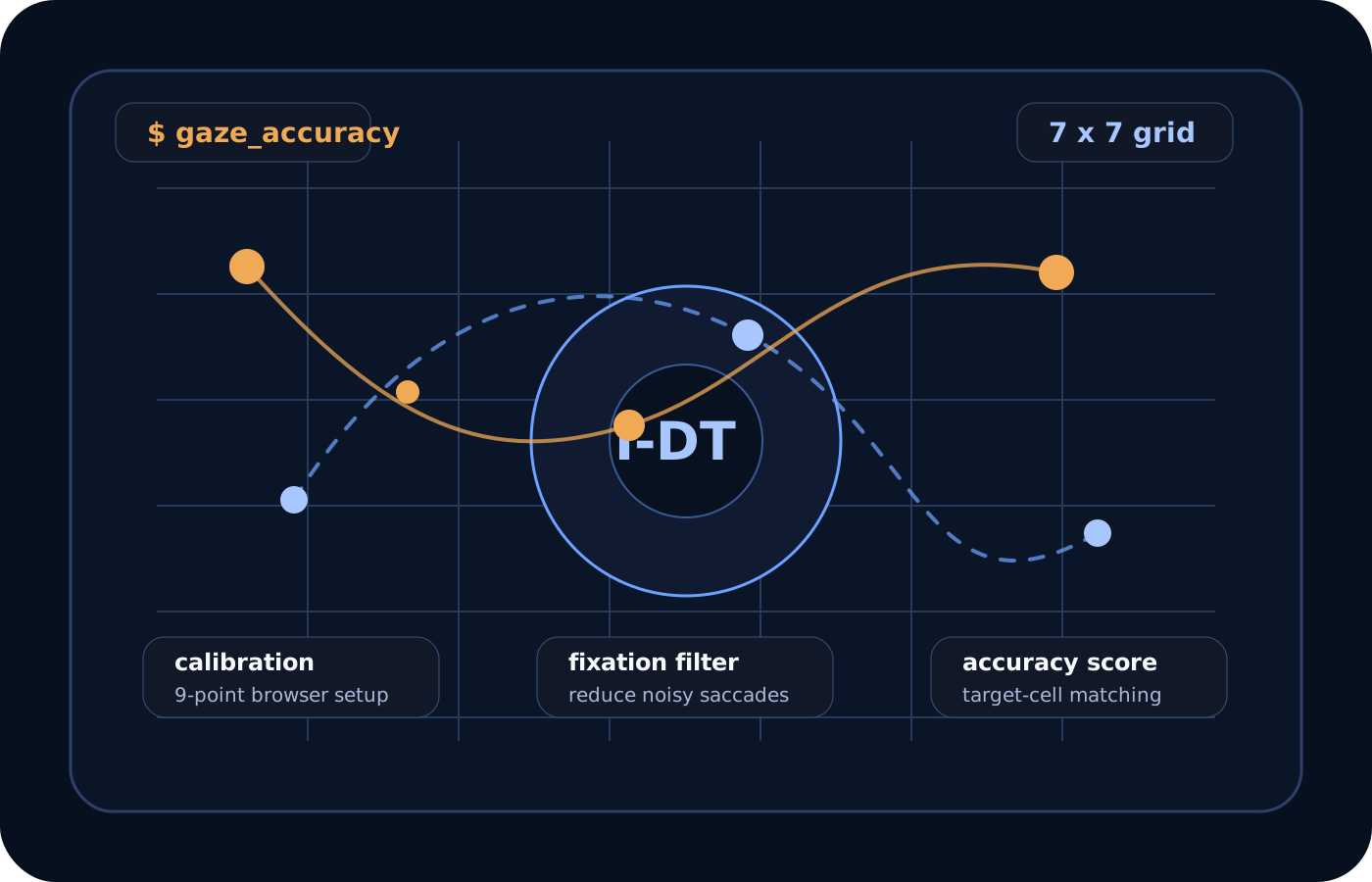
This project provides a practical accuracy-control mechanism for webcam-based eye-tracking systems. The core idea is simple but critical: if a web application will later use gaze features, it first needs a way to measure whether the browser-based eye tracker is reliable enough.
The application uses WebGazer to run a nine-point browser calibration process while recording gaze coordinates and timestamps. Each gaze point is then mapped onto a predefined 7x7 screen grid, and the observed gaze cells are compared against the expected target sequence.
For every five-second interval, one target cell is highlighted. On the backend, the system computes how much of the participant's gaze remains inside the expected cell during that interval. Instead of only showing raw gaze points, the result becomes an interpretable target-cell accuracy score.
The system also includes fixation-processing utilities based on I-VT and I-DT style algorithms. This matters because webcam-based gaze data is usually noisy; fixation filtering improves data quality by separating more stable looks from fast saccadic movement.
From a portfolio perspective, the project is a strong engineering example because it exposes the full technical layer behind eye-tracking research: browser-side data capture, calibration UX, coordinate mapping, signal filtering, backend scoring, and visual result reporting.
Highlights
- Implemented a Flask application with calibration, target-sequence, and result-reporting pages.
- Collected browser gaze coordinates and timestamps through WebGazer.
- Mapped gaze samples onto a 7x7 screen-cell layout for interpretable target matching.
- Computed five-second-window accuracy by comparing observed gaze-cell ratios with the expected target cell.
- Developed I-VT and I-DT based fixation-detection utilities to reduce noise in raw gaze data.
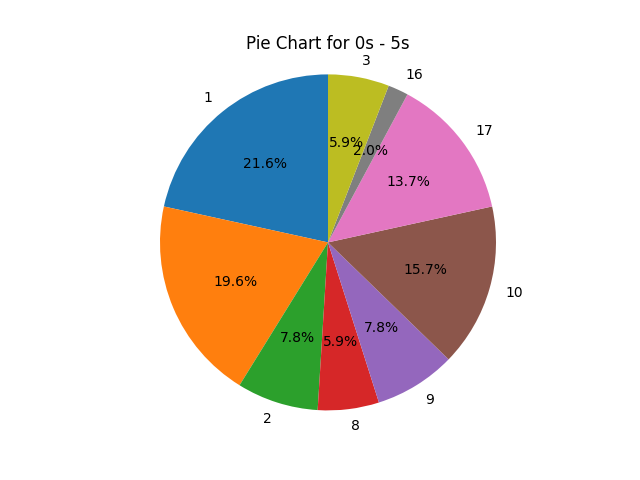
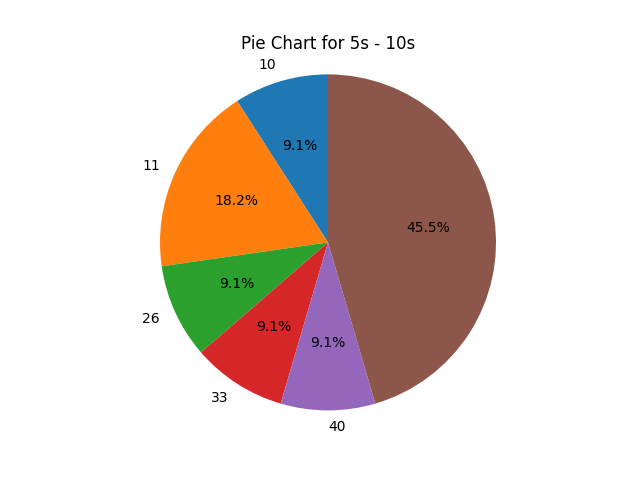
- Generated pie-chart diagnostics showing how gaze distribution spreads across screen cells.
Figures